Define What Can Remain
Restoration is a condition-based decision. A roof may have an aging surface with a usable base, or it may contain moisture and deterioration that make retention inappropriate. The assessment needs to distinguish those situations before the scope is built around a new coating.
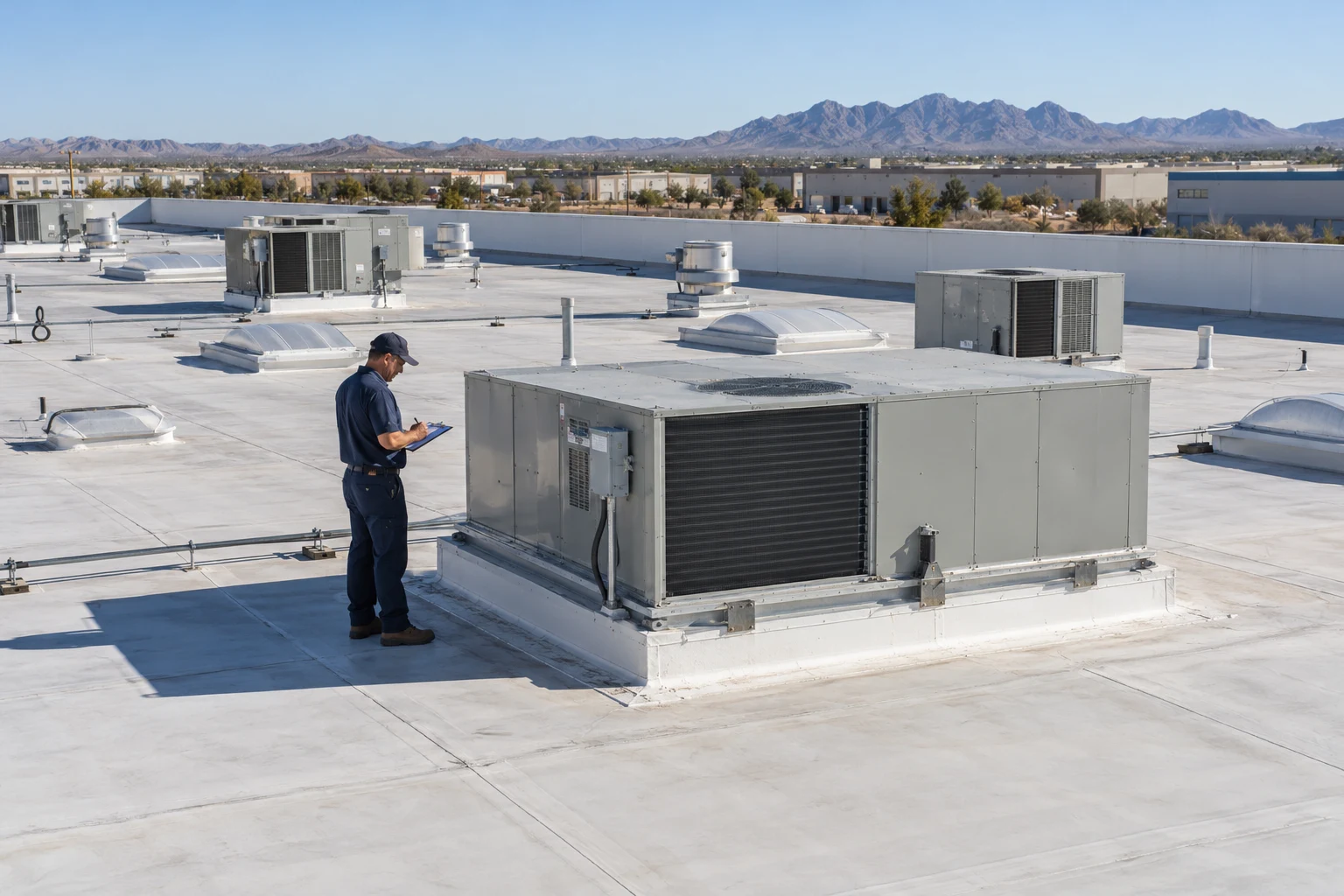
The inspection considers the roof material, previous treatments, attachment and vulnerable details. It also identifies where further investigation is needed. A surface that looks uniform can conceal different repairs or roof sections, so appearance alone does not establish a suitable restoration candidate.
Repair The Causes Of Trouble
Localized defects may be addressed as part of the project. These can include seam and flashing problems or damaged areas of the existing surface. The right repair materials and methods depend on the current roof system and the conditions being corrected.
Where insulation or other retained material has been affected by water, the scope must address that condition. Coating over it is not equivalent to repair. Persistent drainage concerns also need attention; the protective surface cannot change the position of an outlet or resolve every low area.
Match The Protective System
Silicone and acrylic coatings can be appropriate in different restoration systems. Compatibility with the substrate and prior coatings is essential. Cleaning, primers and detail reinforcement are selected according to the specific system rather than applied as one universal sequence.
Adhesion assessment helps establish whether the prepared surface can support the new material. The result may change the preparation or indicate that a different approach is needed. That is useful information before an owner commits to a full restoration scope.
Understand The Potential Benefits
Retaining sound roofing can reduce material disposal and some of the removal activity associated with replacement. It may also lower cost when the required repairs and preparation remain proportionate. These benefits depend on roof eligibility; a poor restoration candidate may require repeated work without resolving the underlying problem.
Future recoating may be possible when the system remains suitable. It should be considered at the time of reassessment, not promised as an indefinite cycle. The roof continues to need attention to drainage, damage and service traffic after the project is completed.
Put Restoration In The Wider Roofing Plan
An owner may be planning equipment changes, a building alteration or a longer-term replacement. Those plans can influence whether restoration is appropriate and which details need attention. Share them during the roofing discussion so the immediate work fits the known needs of the property.
For commercial buildings in Casa Grande, Coolidge and Eloy, our estimate request form provides a starting point. Explain the roof's condition and the objective of the project. We can discuss an inspection and whether restoration, targeted repair or replacement deserves the next step.